|
|
|
|
|
|
|
Fall 2025 |
|
Lauren Sugerman Retires |
|
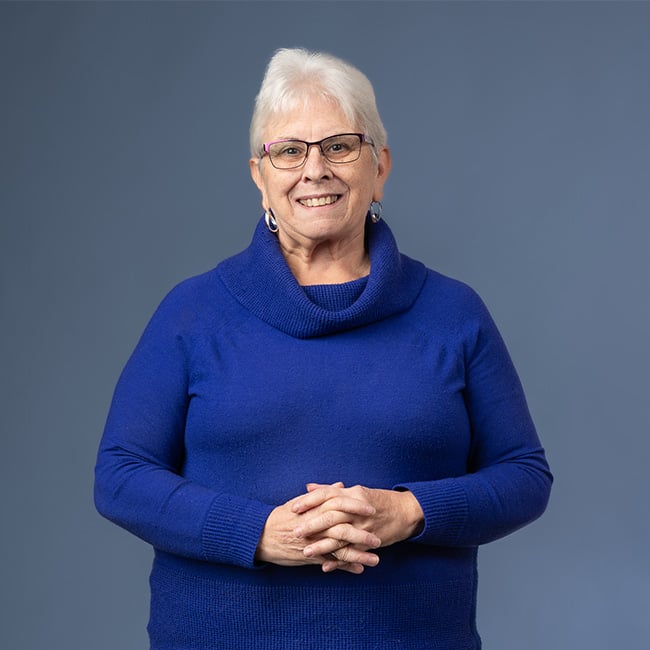
This month, we say farewell to one of our former leaders and co-founders, Lauren Sugerman. She retired at the end of September after more than 40 years dedicated to opening doors for women in the skilled trades.
Lauren not only helped build Chicago Women in Trades, but her leadership had a profound impact on the growth of the tradeswomen’s movement both locally and nationally. Earlier this year, Lauren contributed a powerful response to the rollback of Executive Order 11246, reminding us what's at stake in the fight for equity.
We celebrated Lauren during the Tradeswomen Build Nations conference—the perfect setting to honor Lauren's contributions and hard work! |
| Read the full tribute |
|
 |
|
|
|
Tradeswomen Build Nations Comes to Chicago |
|
|
 |
|
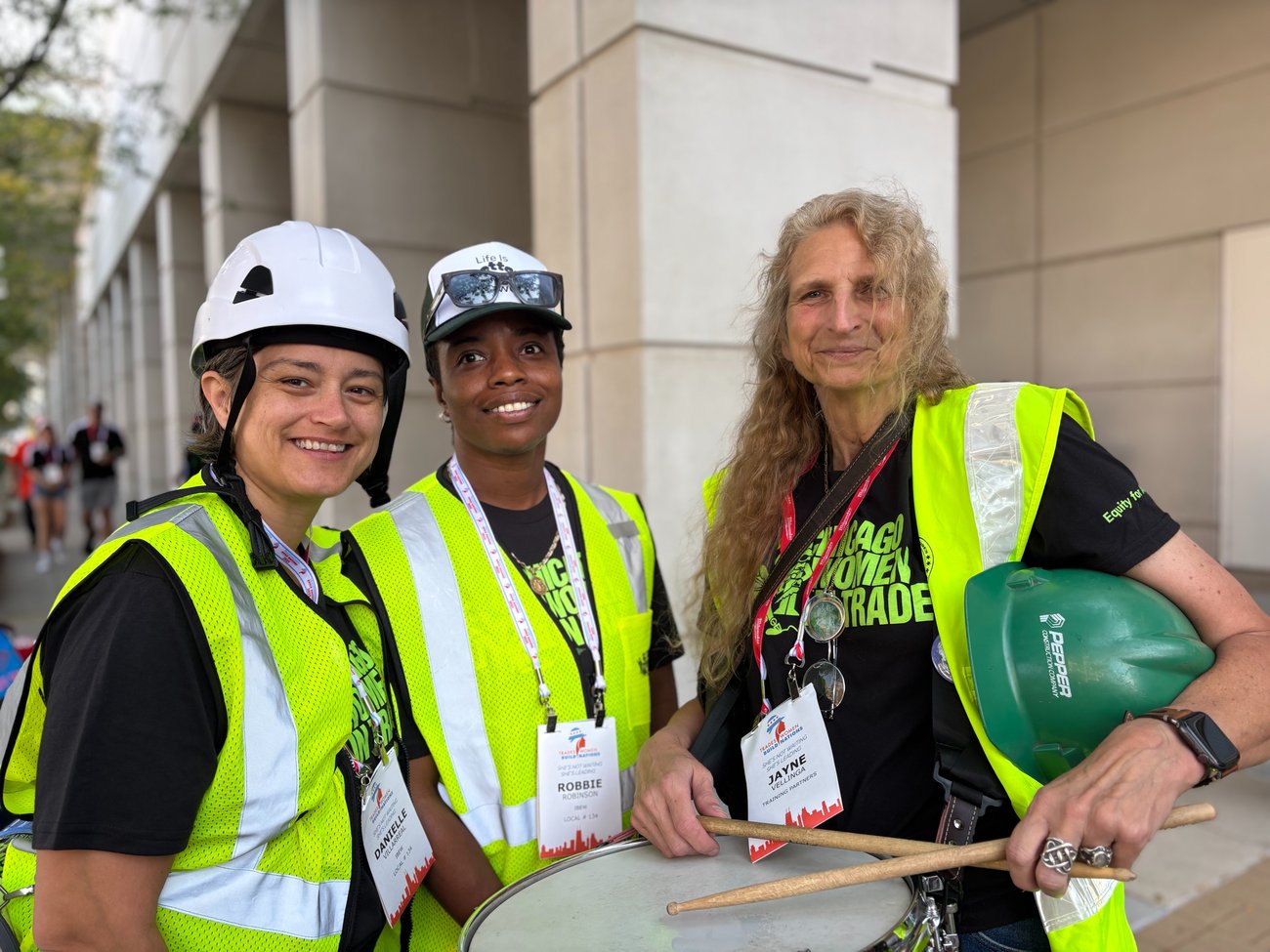
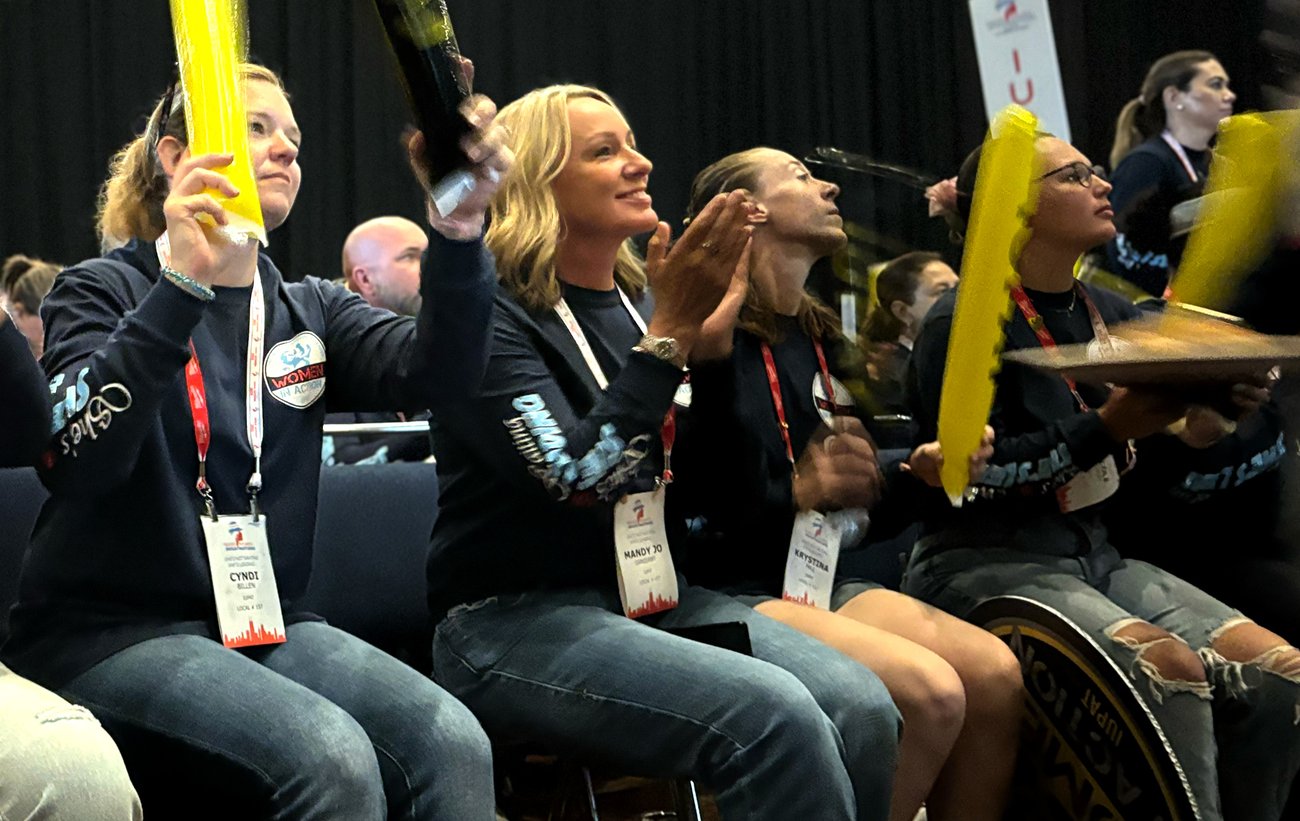
Chicago was this year’s host city for the annual Tradeswomen Build Nations conference (September 19-21), the largest gathering of unionized tradeswomen in the world. This year’s theme, "She's not waiting. She's leading," was evident in every moment, from CWIT’s side conference event "Building the Tradeswomen Movement" to the Banner Parade, led by CWIT’s drumline. |
| View photo highlights |
|
|
 |
|
NPR's Andrea Hsu attended the conference and captured why this moment matters, connecting with tradeswomen to understand the significance of gathering when federal support for women in construction faces uncertainty. |
| Listen to the NPR story |
|
|
|
Legal Experts Clarify What DEI Actually Means |
|
|
|
Despite repeated claims that diversity, equity, and inclusion work is illegal, legal precedent tells a different story. DEI efforts actually protect against illegal discrimination. But the messaging from federal officials has created real uncertainty for organizations, contractors, and grantees trying to understand their obligations. |
|
|
|
CWIT has compiled legal analyses and guidance from state attorneys general, former federal officials, and legal experts to help our industry partners navigate this environment with accurate information. These resources clarify what federal anti-discrimination law actually requires and help organizations distinguish between legal obligations and political messaging. |
| Read: Setting the Record Straight |
|
|
|
Chicago Has the Chance to Lead on Workforce Equity |
|
The Chicago Construction Workforce Equity Ordinance presents the city with an opportunity for accountability and transparency in construction hiring. Introduced at the city council in July by its chief sponsor, Alderwoman Rossana Rodriguez-Sanchez, the ordinance would establish community oversight of programs aimed at increasing the hiring of women and people of color on city projects.
The need is clear—women perform less than 6% of work hours on Chicago construction projects, and African Americans perform less than 12%. The ordinance would improve enforcement and create community oversight to address barriers that prevent workers from entering the trades.
Tell your alderperson to support workforce equity! |
| Learn more about the Ordinance |
|
|
|
|
|
New Research Shows Pre-Apprenticeship Programs Deliver Results |
|
|
|
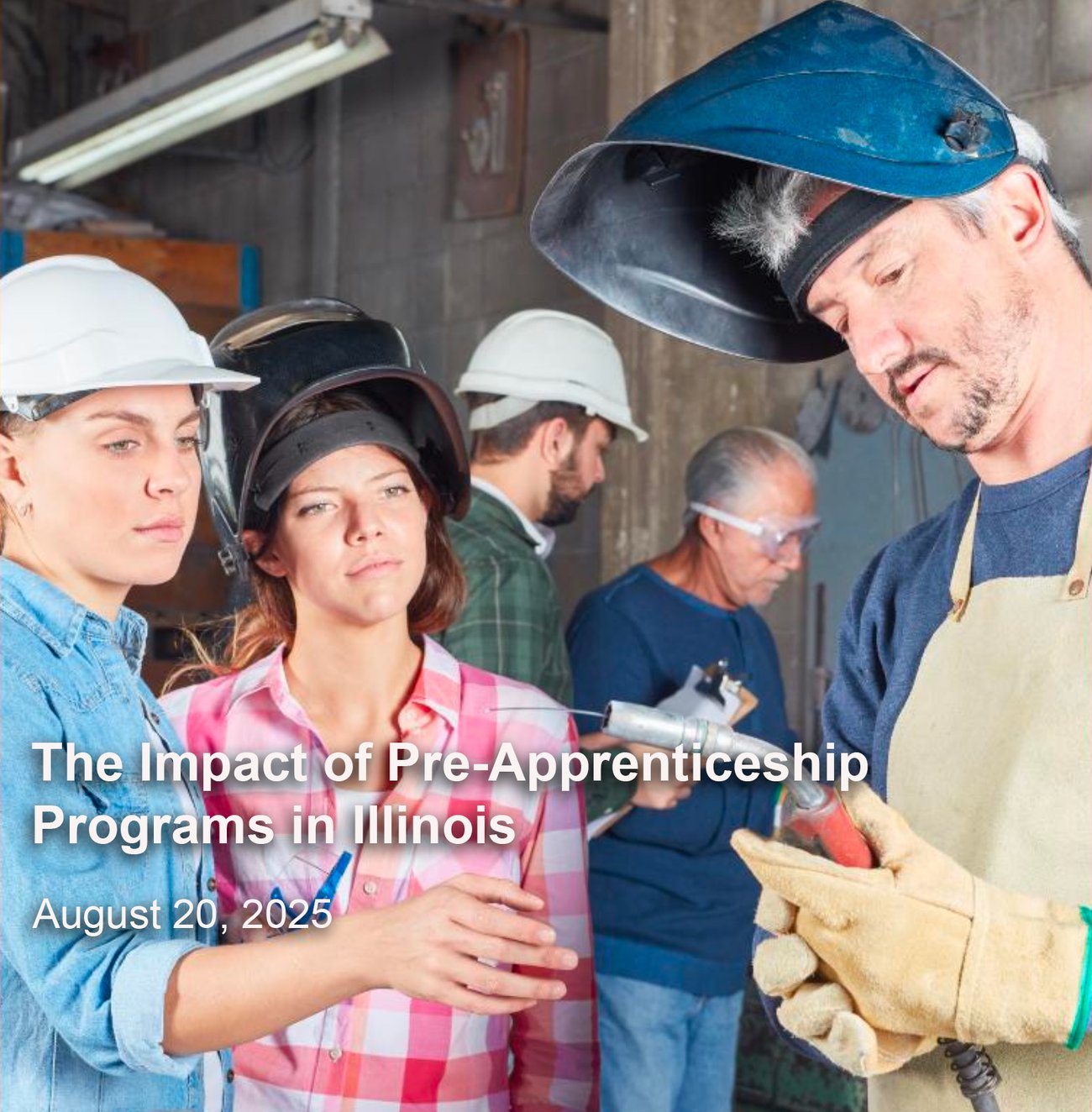
Recent data confirms what we’ve seen in our own programs—state investments in pre-apprenticeship training create real pathways to construction careers for women. A recent study found that women’s enrollment in construction apprenticeships jumped 30% in states with robust pre-apprenticeship funding. |
|
|
|
Programs like Illinois Works, which funds our Women Build Illinois training program, demonstrate how targeted state support opens doors that have historically been closed to women. As federal funding faces uncertainty, these state-level investments become even more essential for creating access to family-sustaining careers. |
| Read about the findings |
|
|
|
|
|
Federal Rollbacks Threaten Progress for Women in Trades |
|
|
 |
|
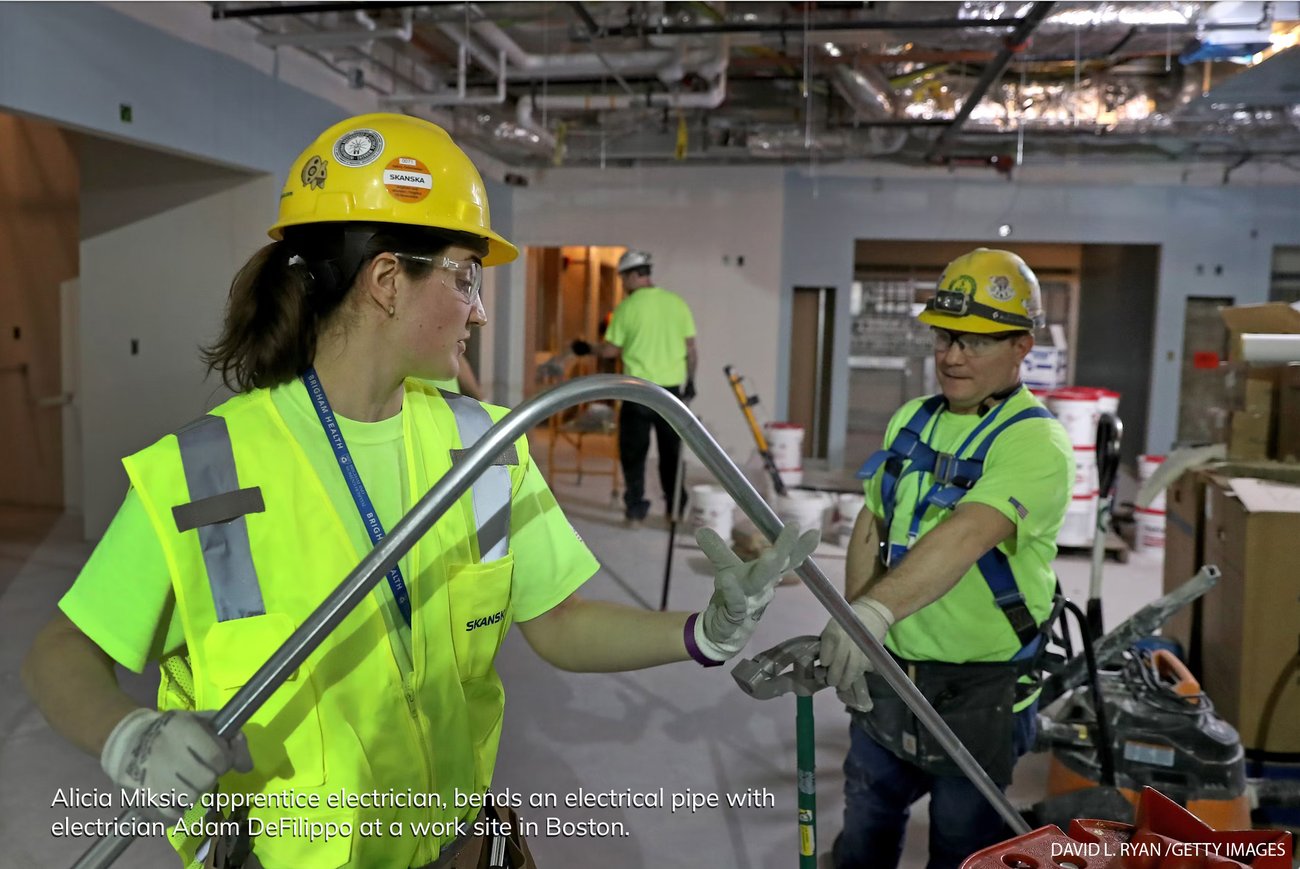
The New Republic featured CWIT graduate Kaitlyn Moser in a story highlighting exactly why pre-apprenticeship programs and anti-harassment protections are important. These programs offer pathways for women to achieve financial independence and support their families without taking on college debt.
As Kaitlyn puts it: "We want to add to the world." Rolling back protections doesn't just hurt individual women—it weakens the entire industry. |
| Read: Trump Is Making It Harder for Women to Work in Construction |
|
|
|